MPs push progressive mental health reform, dropping jail terms for suicide survivors

Parliament’s Justice Committee has backed a bill to scrap Kenya’s law criminalising suicide attempts, urging a shift to health-based care and stronger mental health services nationwide.
Kenya is poised to treat suicide attempts as a health matter rather than a crime after a parliamentary committee approved a bill to scrap the colonial-era law.
The National Assembly Justice and Legal Affairs Committee (JLAC) has recommended deleting Section 226 of the Penal Code, which currently criminalises anyone who tries to end their life.
More To Read
- Interns in public institutions to receive stipends, leave and insurance under new law
- Nominated MP Denar Hamisi is dead, National Assembly confirms
- Report links Batuk soldiers to rape, abuse and impunity in Laikipia and Samburu
- KNCHR nominee admits victims’ compensation panel encroaches on commission
- MPs call on IEBC to curb soaring election costs by regulating legal fees
- MPs demand audit of IEBC’s Sh3.9 billion pending bills
Under the Code, a person can face up to six years in prison, a fine, or both, penalties that mental health advocates say worsen the suffering of individuals already in distress.
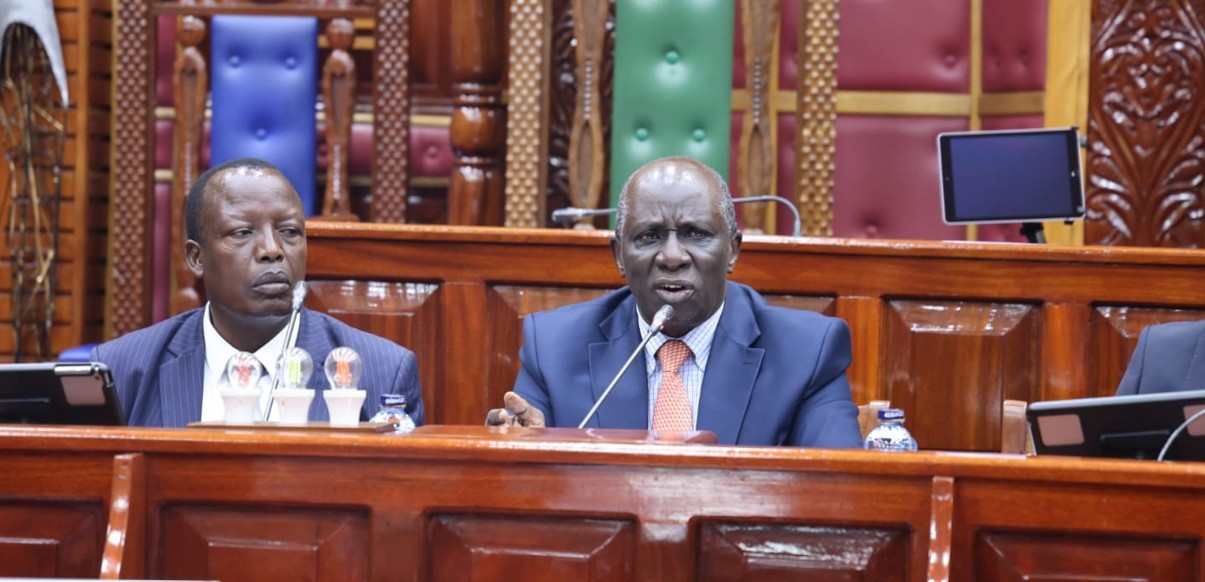
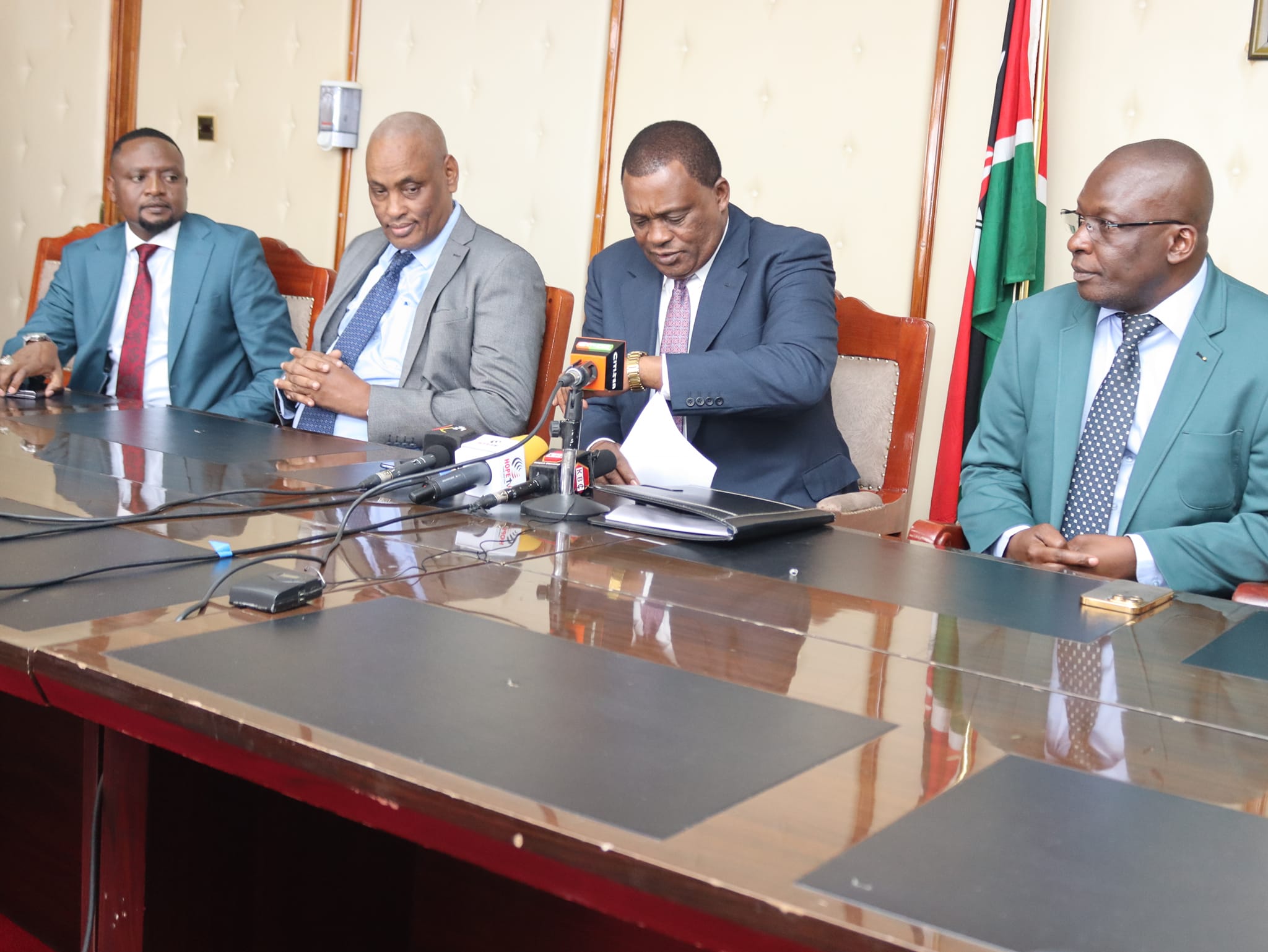
The Bill, sponsored by Mathare MP Antony Oluoch, received the backing of the Committee chaired by Tharaka MP Gitonga Murugara.
“Upon reviewing the Bill and the submissions received, the Committee observed that the Bill is a progressive, humane and constitutionally aligned reform,” the report states.
Beyond decriminalisation, the MPs want both national and county governments to strengthen mental health services, including building facilities and employing technology to support care.
“The law obligates the government to provide the facilities for care, rehabilitation, and provision of health services to persons with mental illnesses, which include persons with suicidal ideation or behaviour,” the committee noted.
The Committee considered input from the Law Society of Kenya, National Gender and Equality Commission (NGEC), Outreach for Action Kenya, and Anjarwalla and Khanna law firm.
All groups expressed support, highlighting that Section 226 has already been declared unconstitutional by the High Court. They said the Mental Health Act already recognises suicidal behaviour as part of mental illness, which should be addressed through care rather than punishment.
ALN emphasised that the law fuels stigma and dishonours victims.
“Additionally, the section exposes survivors of suicide and persons with suicidal tendencies to criminal sanction instead of healthcare, thereby eroding the right to have the highest attainable standard of health as provided in the constitution,” the report states.
Supporters said removing criminal penalties would bring Kenya in line with global efforts to reduce suicide rates and adopt a health-centred approach. LSK and Outreach for Action Kenya added that criminalising those struggling with severe psychological distress punishes them rather than addressing the underlying causes.
“Criminal sanctions penalise suffering rather than address the root causes,” their submissions noted.
NGEC also called for a separate discussion on decriminalising substance abuse to focus on treatment rather than punishment. MPs agreed that substance-related issues require a distinct legislative process.
The Bill follows a recommendation by the Petitions Committee in October, prompted by a petition from Dr Lukoye Atwoli, who called the law harmful.
Other Topics To Read
- Headlines
- Health
- Justice and Legal Affairs Committee
- kenya parliament
- decriminalisation of suicide
- Lukoye Atwoli
- mental health services
- mental health reform
- Penal Code Section 226
- Antony Oluoch
- suicide law
- colonial-era legislation
- MPs push progressive mental health reform
- dropping jail terms for suicide survivors
“Kenya remains one of the few countries that still has legislation criminalising suicide attempts, a leftover from colonial times,” Atwoli told MPs.
Atwoli stressed that suicide attempts are medical emergencies requiring immediate attention to prevent injury or death and argued that the law pushes people into the criminal system instead of health care.
He added that Section 226 violates constitutional rights, including equality and human dignity.
Studies cited by Atwoli show one in six people in Nandi County have attempted suicide, highlighting the urgency of reform.
The World Bank reports Kenya’s suicide rate at 6.1 per 100,000, while the Ministry of Health estimates 11 per 100,000, mostly among men.
Section 226 has been described as a “relic of colonial legislation” that obstructs mental health care and perpetuates stigma.
Top Stories Today